Rotoscope: Film’s Forgotten Animation

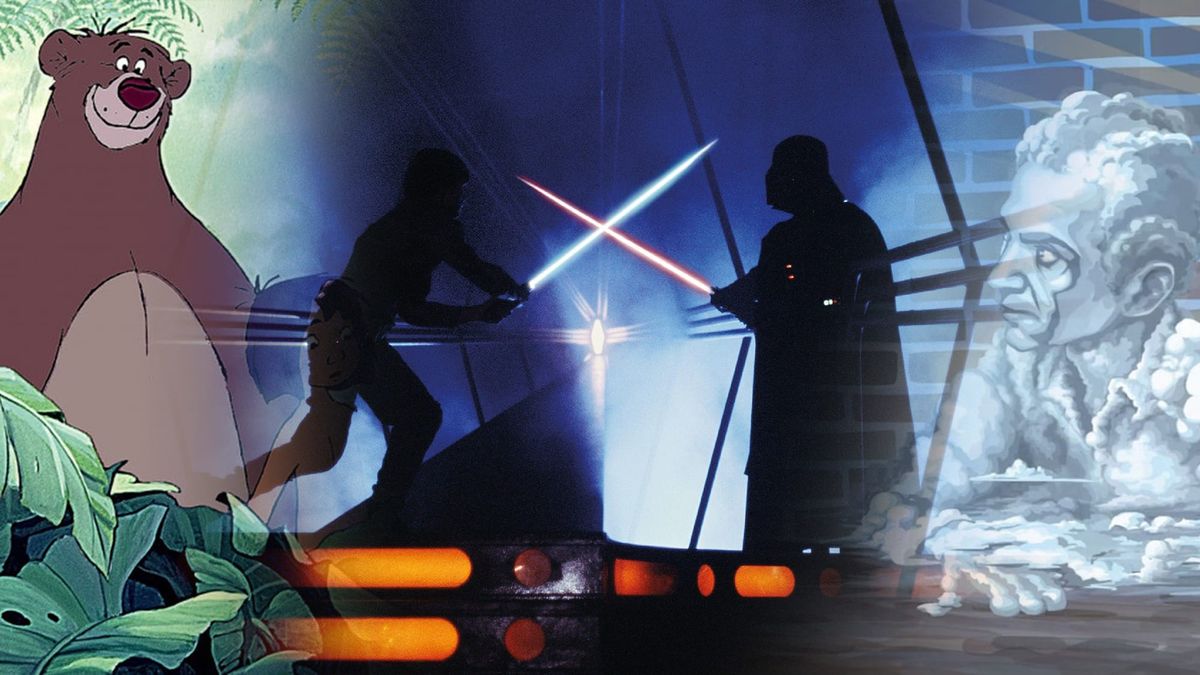
Throughout cinema’s history, animation has evolved as much as any medium in the industry, due in large part to a little-known technique known as rotoscoping.
From Disney’s classics to major blockbuster films, rotoscoping is widely unknown to most audiences. Here’s a breakdown on the history of rotoscoping and some of its acclaimed films.
Origins and the Hand-Drawn Era
Invented by Max Fleisher in 1915, Fleisher traced a glass projection film of his brother dressed up as a clown. He drew the costume and motions frame-by-frame on paper to create realistic movement for his short film series Out of the Inkwell (1918).
Later in Fleisher’s career, he designed classic animated characters such as Popeye the Sailor and Betty Boop, including the first Superman animated series, through his rotoscope.
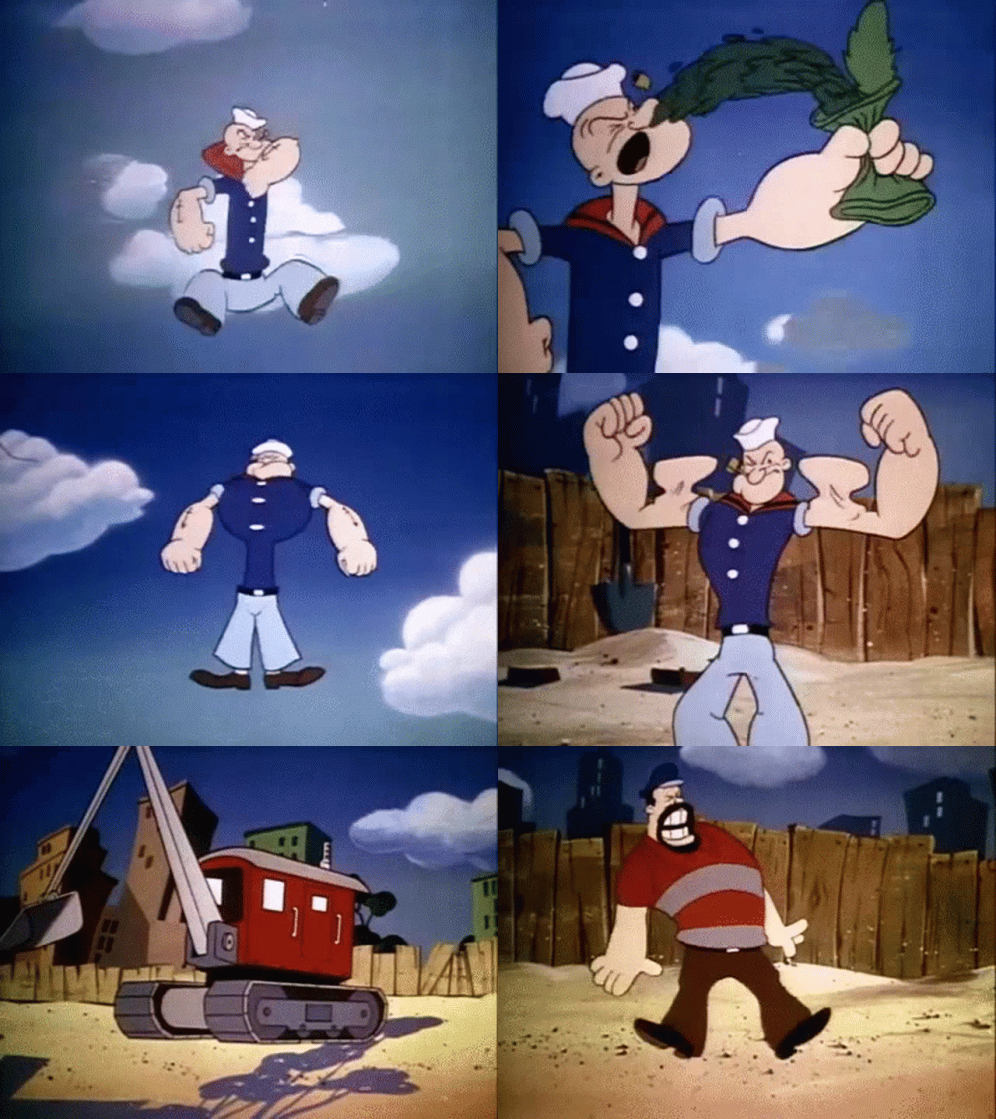
Shortly after, Disney adopted Fleischer's hand-drawn art style.
Early iterations of its kind include Snow White and the Seven Dwarfs (1937), Cinderella (1950) and Alice in Wonderland (1951), to name a few. Subsequently propelling Disney into its multi-generational popularity today.
Disney continued to animate films by rotoscoping well into the 21st century. The final Disney hand-drawn film is Winnie the Pooh (2011).

Other studios rode Disney's wake, like J. R. R. Tolkien's animated adaptation of The Lord of the Rings (1978).
Visual Effects Era
Although rotoscoping got its start in animation, by the mid-1900s it bled into live-action films.
Rotoscoping got its start in live action with horror films as effects. Most notably Bride of Frankenstein (1935) and Alfred Hitchcock's The Birds (1963).
The most widely recognizable use of rotoscoping is from the original Star Wars trilogy.
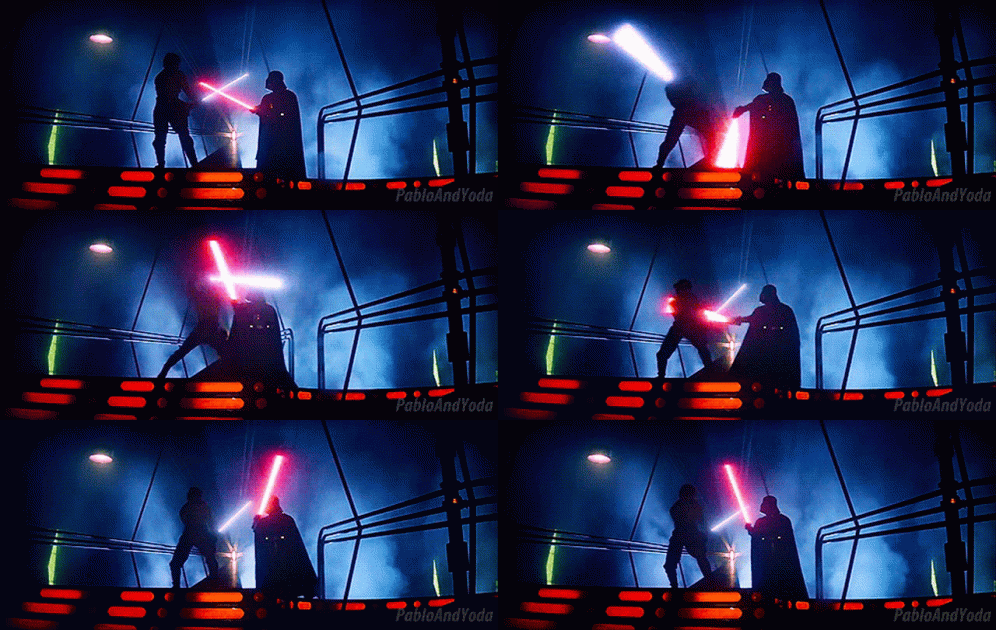
All of its iconic lightsaber scenes were animated via rotoscoped visual effects.
Rotoshop and the Modern Era
As computer 3D animation grew in popularity, rotoscoping slowly began to fade.
Pixar's Toy Story (1995) kicked off a generation of animation films. It became the first completely computer-animated feature-length film.
Disney, Blue Sky Studios, DreamWorks Pictures, Columbia Pictures and later Illumination Entertainment followed Pixar's computer-based blueprint. Computer 3D animated films surged into the limelight at the turn of the millennium.
However, in the shadows, rotoscoping was revitalized by a computer scientist.
Bob Sabiston developed an interpolated rotoscope software known as Rotoshop in 1997. It was conceived for an animation contest sponsored by MTV.
Rotoshop caught the eye of Richard Linklater, who was most known at the time for directing Dazed and Confused (1993) and Before Sunrise (1995), both live-action films.
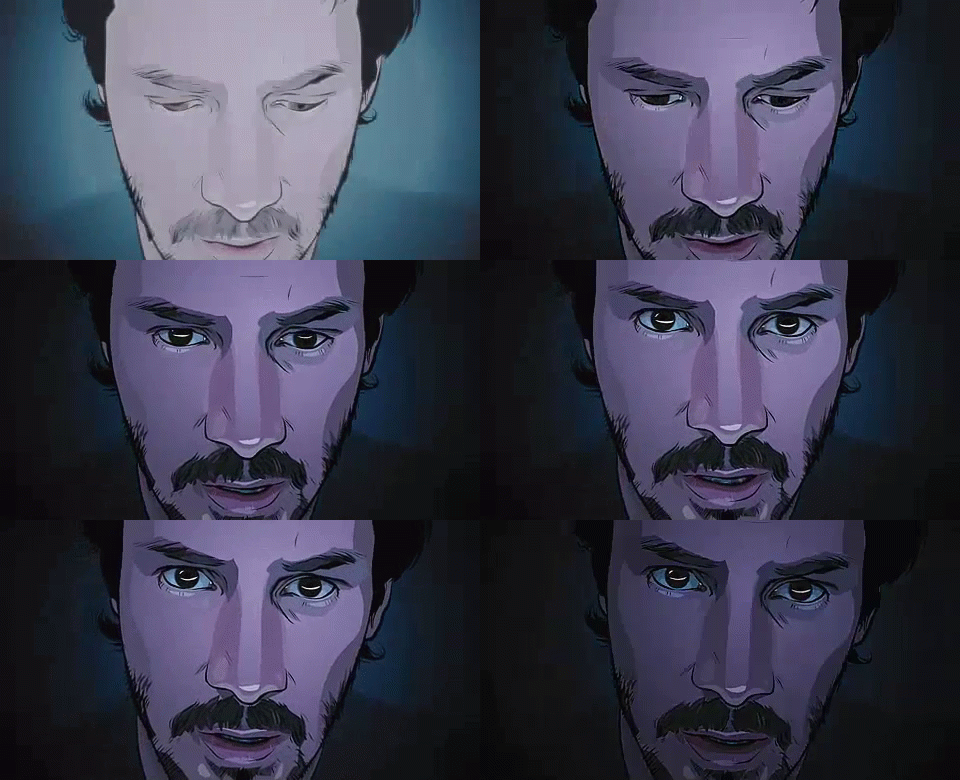
Linklater used Rotoshop for arthouse films Waking Life (2001) and A Scanner Darkly (2006).

Later again he used it for Apollo 10 1/2: A Space Age Childhood (2022).
Through Rotoshop technology, Linklater was able to accomplish unique dreamlike animation over traditional scenes. Toeing the line between live action and a purely animated film.
Even Disney returned to rotoscope in Rogue One: A Star Wars Story (2016). Most memorably with Princess Leia.
Although today rotoscoping has fallen into a subgenre of animation, its place in cinema is undeniable. For more than a century, rotoscoping has produced or contributed to some of the greatest and most memorable films of all time.